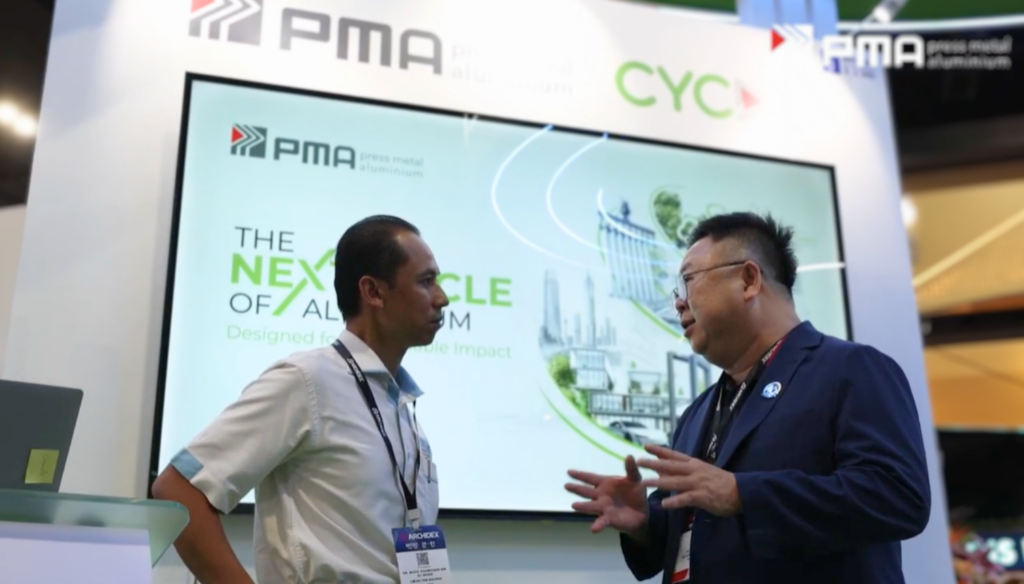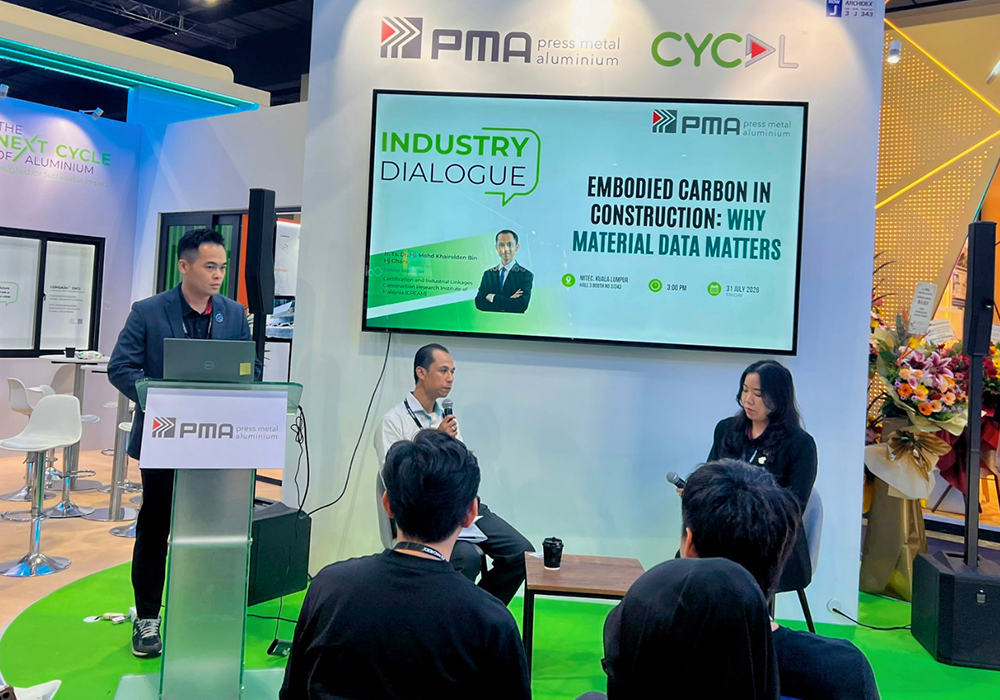
At ARCHIDEX 2026, PMB Aluminium hosted its Industry Dialogue titled “Embodied Carbon in Construction: Why Material Data Matters,” featuring Ir. Ts. Dr. Hj. Mohd Khairolden Bin Hj. Ghani, Senior Manager, Certification and Industrial Linkages, Construction Research Institute of Malaysia (CREAM), and moderated by Branda Yap, Sustainability Engineer at PMB Aluminium.
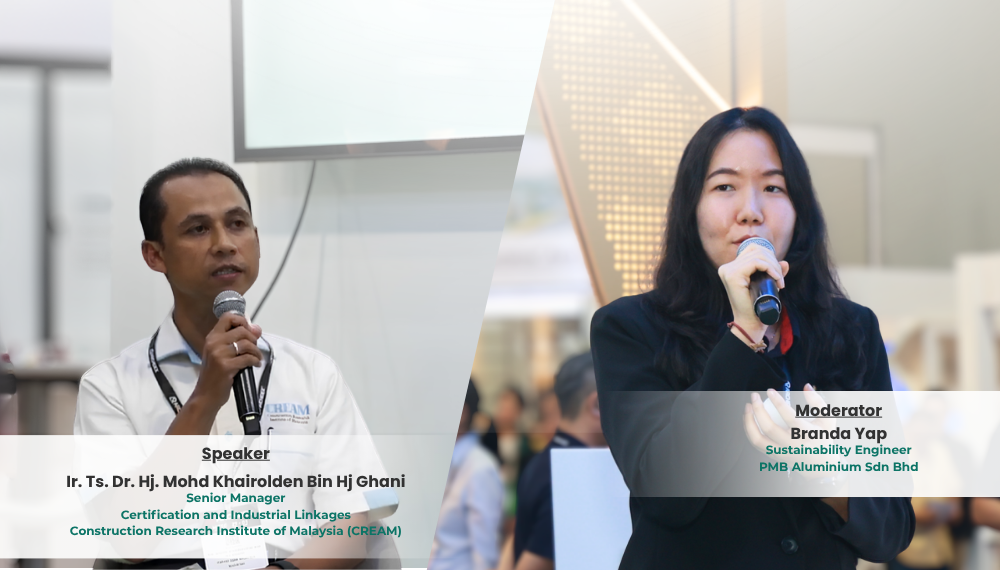
Held under PMB Aluminium’s theme, “The Next Cycle of Aluminium”, the session explored how embodied carbon awareness, reliable material data, research, and policy direction can support more informed decisions in Malaysia’s built environment.
A key question shaped the discussion:

When discussing carbon emissions from buildings, many people often think about operational carbon, the emissions generated from energy use after a building is occupied. However, embodied carbon happens much earlier. It refers to the greenhouse gas emissions generated from raw material extraction, manufacturing of construction products, transportation, and construction activities.
As highlighted during the dialogue, a large portion of a building’s lifetime emissions may already be determined before the building begins operation. This makes early-stage decisions in design, specification, and material selection increasingly important for lower-carbon construction.
Why Material Data Matters
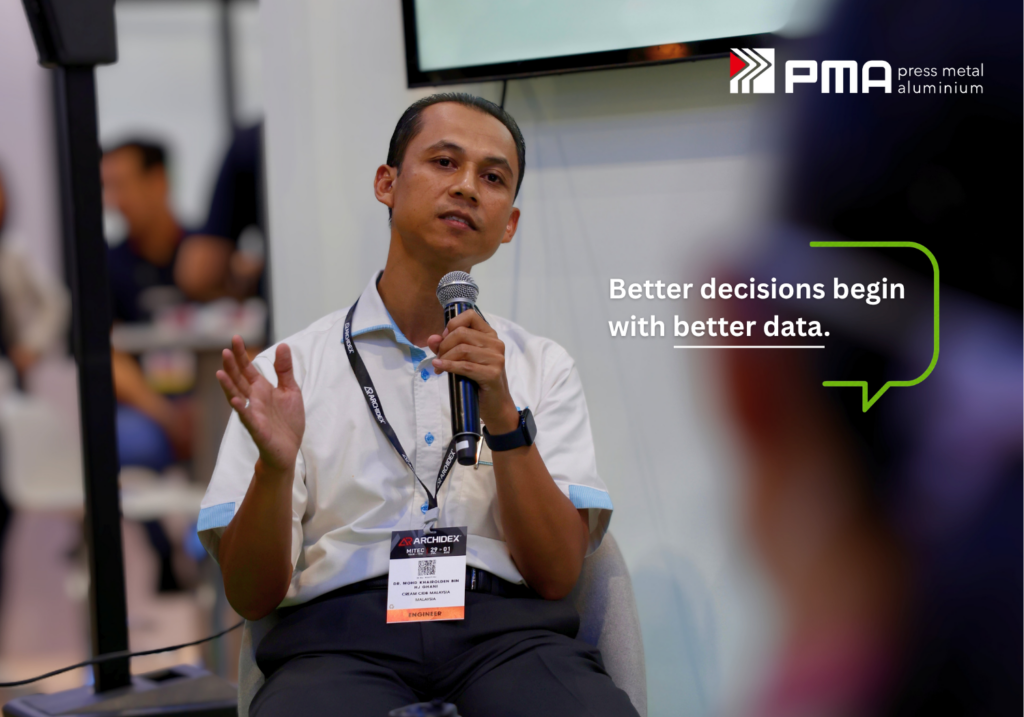
One of the key takeaways from the session was clear: better decisions begin with better data.
Reliable material data helps architects, engineers, quantity surveyors, developers, consultants, and contractors understand the carbon impact of materials used in a project. Without a common reference, different project teams may rely on different databases, assumptions, and calculation methods, making it difficult to compare results consistently.
To support the industry, CIDB and CREAM developed the Malaysia Embodied Carbon Inventory as a national reference database for construction materials. The inventory provides a structured source of embodied carbon data from local, regional, and international references, helping project teams conduct more consistent and transparent carbon assessments.
Dr. Khairolden also highlighted that while Malaysia has made progress, there is still a need to increase the availability of Malaysia-specific emission factors using primary data from local manufacturers. This will further improve the accuracy and reliability of embodied carbon assessments in the Malaysian context.
From Measurement to Reduction
The discussion also touched on how projects can demonstrate embodied carbon reduction. It begins with establishing a baseline, calculating the embodied carbon of the original design using recognised emission factors and life cycle assessment methodology.
With a baseline in place, project teams can compare alternative design options or materials, quantify the reduction achieved, and support their claims with transparent calculations, reliable data sources, and proper documentation.
Verified environmental information such as Environmental Product Declarations (EPDs) also plays an important role, as it provides product-specific data that reflects actual manufacturing processes and supports more informed material decisions.
Collaboration Across the Value Chain
Reducing embodied carbon is not the responsibility of one party alone. It requires collaboration across the construction value chain.
Manufacturers can contribute by providing better product data. Researchers can develop reliable methodologies. Consultants can apply carbon assessments in real projects. Industry bodies and policymakers can provide guidance and national direction.
Together, these efforts help build a stronger carbon data ecosystem for Malaysia and support the industry’s transition towards more measurable, lower-carbon construction.
The session concluded with a simple but powerful reminder:

Measuring embodied carbon is not the final destination. It is the first practical step towards understanding impact, comparing options, making better material decisions, and creating meaningful progress towards a more sustainable built environment.
PMB Aluminium extends its sincere appreciation to Ir. Ts. Dr. Hj. Mohd Khairolden Bin Hj. Ghani and CREAM for sharing valuable insights, and to all participants who joined the discussion at ARCHIDEX 2026.
Through continued dialogue, collaboration, and greater awareness, the industry can move closer towards building a lower-carbon future.